










Albert Camus
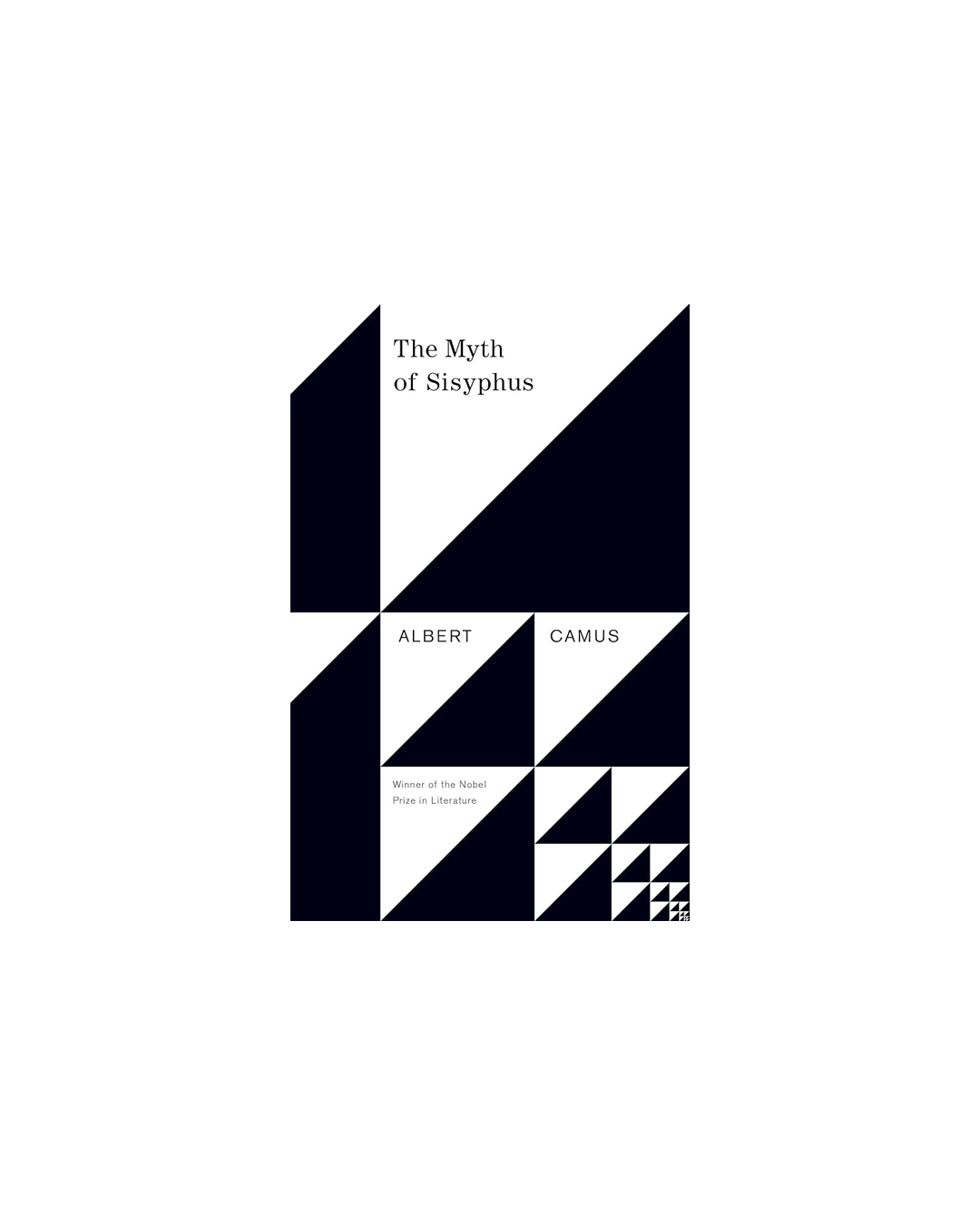
The Myth of Sisyphus
Learn more
The Myth of Sisyphus
The Myth of Sisyphus by Albert Camus is a philosophical essay that explores the theme of absurdity and the human condition. Camus uses the Greek myth of Sisyphus, condemned by the gods to endlessly roll a boulder up a mountain only for it to roll back down each time, as a metaphor for the futile and repetitive nature of human life. According to Camus, life is inherently absurd because of the conflict between our desire for meaning and the universe’s indifference. However, he argues that Sisyphus, despite his eternal struggle, can find happiness in his defiance of the absurdity of his existence. By accepting the meaninglessness of life, Camus suggests that one can achieve freedom and live authentically. The essay challenges the reader to confront life’s absurdity head-on, without resorting to religious or philosophical escapism, and to embrace the freedom found in acknowledging the limits of human understanding and control. The Myth of Sisyphus by Albert Camus delves into the concept of the absurd, using the Greek myth to examine the human struggle for meaning in an indifferent universe.
Albert Camus
Vintage
Paperback
160
978-0525564454
About the author
Albert Camus